
Home > Brushed DC Motors
Brushed DC motors are one of the simplest and most valuable systems in DC motor technology. These units play a key role in many of the world’s machines and moving systems because they offer durability, reliability, and cost-effectiveness that other motors simply don’t have.
TelcoMotion offers a wide variety of permanent magnet motors in many different sizes. From heavy-duty brushed DC motors to low-cost PMDC motors, you’ll be sure to find a DC motor to meet your needs. Our brushed DC motors can be found in printers, semiconductor processing, packaging, robotics, mobility devices, medical equipment, and light industry.
Browse this page for a more in-depth look at these products and the features that make them so unique.
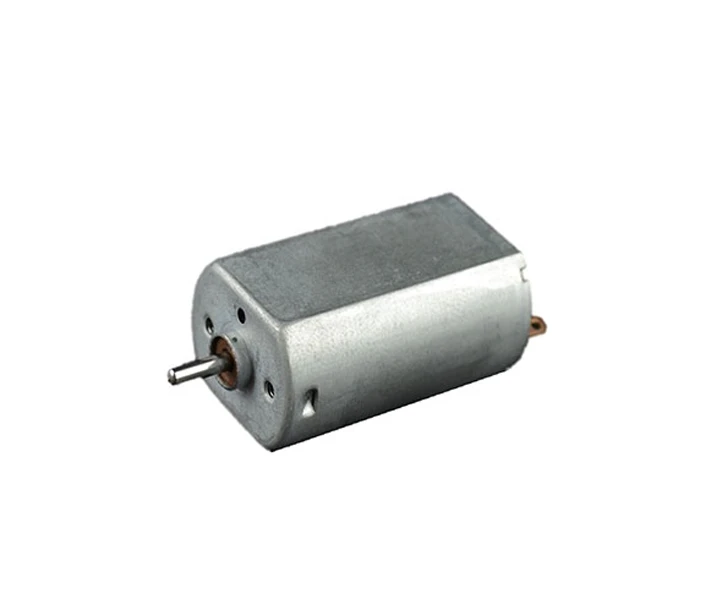
EBenefit from quality and cost savings in tandem with this low-cost PMDC motor. Available sizes are 16 mm, 20 mm, and 24 mm motor diameters. Fit with precision components, including high-efficiency bearings, preloaded ball screws, encoders, and custom designs.
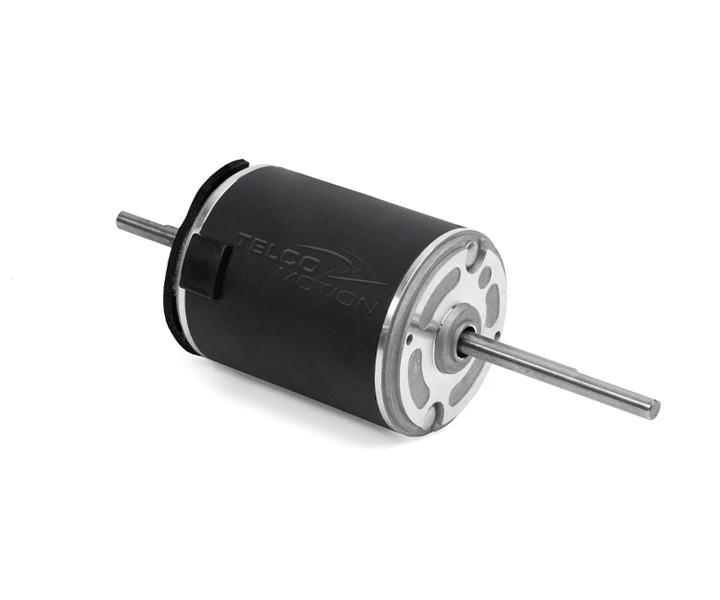
Our best-selling gearmotors flaunt advanced design and robust construction. They are powerful, reliable, and built to last. Choose from a broad range of sizes, from small to large, with different windings for high torque applications.
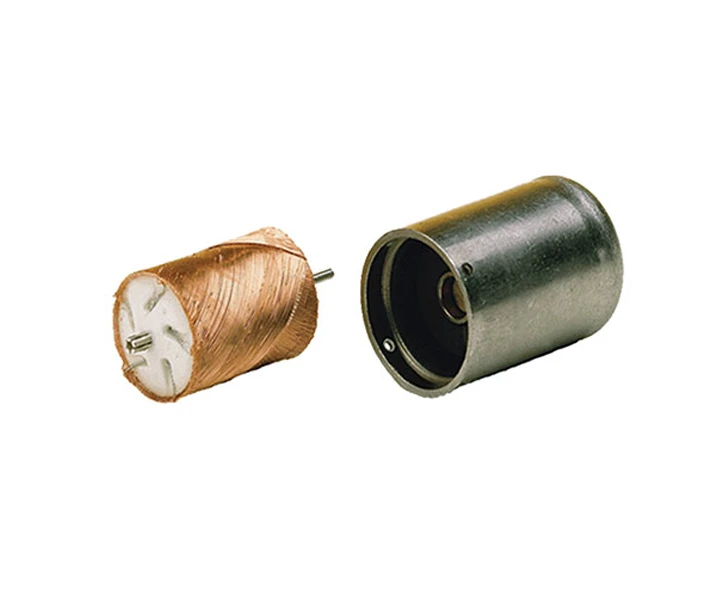
With an exceptionally fast response time and compact design, these coreless motors deliver special functionality, highly valued in key medical applications.
Brushed DC motors are powerful tools that can be used for a litany of applications at an economical price. But they aren’t all made equal. From stator and armature winding to permanent magnets and sintered bearings, you need to know you’re getting a quality system capable of meeting your job’s needs.
TelcoMotion delivers – with industry-leading products that set the standard for motor technology.
Our brushed DC motors boast state-of-the-art construction with high-density magnets, heavy-duty insulation, and optimized electrical design. They’re designed to last for years with minimal maintenance and come in a variety of sizes to meet any need.
TelcoMotion’s small and low-cost PMDC motors prove themselves extremely valuable in consumer electronics such as electric razors, toothbrushes, and fans. They are also commonly used in household and kitchen products like cordless drills and food processors.
The medical field has plenty of uses for brushed DC motors, particularly in equipment for diagnostics and treatments. Point-of-care machines, one-time-use surgical tools, and mobility devices are just some of the applications where our brushed DC motors provide movement for parts like probes or shuttles that travel inside critical medical devices.
From windshield wipers to car starters and window lifts, Telco’s PMDC motors are used in a variety of automotive applications. They provide fast acceleration and reliable performance for tasks like car door locks, sunroofs, power seats, etc.
Any outlying brushed DC motor-related questions? This FAQ section should be able to help.
Brushed DC motors have four main components: a stator containing permanent magnets or electromagnets that remains stationary, a rotor (also called the armature) that rotates, a commutator that connects the rotor to the brushes, and carbon brushes connected to the DC power source.
When electric current flows through the motor, it passes through the brushes to the commutator segments, creating a magnetic field around the armature coils. This electromagnetic field interacts with the permanent magnets in the stator, generating rotational force.
The key mechanism is the commutation process: as the rotor spins, the commutator reverses the direction of current through the coil at critical points, reversing the magnetic field to maintain continuous rotation. The carbon brushes make physical contact with the rotating commutator, continuously switching the electrical polarity to keep the motor spinning.
The density and number of coils wound around the motor determine the motor’s performance characteristics. This simple mechanical design makes brushed DC motors easy to control and cost-effective, though it also creates friction and wear that limits their lifespan compared to brushless alternatives.
Permanent Magnet DC Motors (PMDC):
Construction and Operating Principles:
Performance Characteristics:
Limitations of PMDC Motors:
Wound Field DC Motors:
Construction and Operating Principles:
Performance Characteristics:
Limitations of Wound Field Motors:
Comparative Performance Table:
| Characteristic | PMDC Motor | Wound Field Motor | Advantage |
|---|---|---|---|
| Efficiency | 75-85% | 65-75% | PMDC (+10-15%) |
| Size for same power | 100% | 125-140% | PMDC (25% smaller) |
| Starting torque | 2-3× rated | 3-5× rated (series) | Wound field |
| Speed regulation | 5-15% | 2-8% (shunt) | Wound field |
| Speed range | 1:1 base | Up to 4:1 with field weakening | Wound field |
| Control complexity | Simple | Moderate-Complex | PMDC |
| Cost <1HP | Lower | Higher | PMDC (30-50% less) |
| Cost >5HP | Higher | Lower | Wound field |
| Overload capability | Moderate (3× brief) | High (5× brief) | Wound field |
| Temperature stability | Moderate | Good (compensated) | Wound field |
Application-Specific Recommendations:
Choose PMDC When:
Choose Wound Field When:
Hybrid Considerations:
For applications in the 2-5HP range, the decision depends on specific requirements:
Real-World Application Example:
An OEM manufacturer of industrial conveyor systems evaluated motor options for their variable-speed belt conveyor (3HP, frequent starts/stops with varying loads):
Initial PMDC Selection:
Switched to Compound Wound Field Motor:
Result: Wound field motor proved superior despite PMDC’s efficiency advantage, demonstrating importance of matching motor type to application demands rather than optimizing single parameters.
Selection Summary:
The choice between PMDC and wound field brushed motors should consider:
TelcoMotion offers both PMDC and wound field motors with detailed application engineering support to ensure optimal selection for your specific OEM requirements.
The life expectancy of a brushed DC motor typically ranges from 1,000 to 3,000 hours of operation, though this can vary significantly based on operating conditions. Well-maintained brushed DC motors can last between 2,000 to 5,000 hours in optimal conditions.
Several factors influence motor longevity. High armature speeds cause more rapid brush wear due to increased friction between the brushes and commutator, while lower speeds can extend lifespan. Current draw is another major contributor to brush wear—high levels of current relative to the motor’s rating accelerate degradation.
Operating temperature significantly affects lifespan, as excessive heat can damage insulation, bearings, and brushes. Operating environment matters too, as high humidity and moisture can mix with brush dust to create conductive paste that causes arcing and accelerates wear.
Warning signs of worn brushes include: reduced motor performance with lower torque output and decreased speed, excessive sparking beyond normal commutator switching, unusual grinding or squealing noises, and increased motor temperature during operation. Regular inspection and timely brush replacement can maximize motor life and prevent unexpected failures.
Construction Differences
Brushed motors use a commutator and physical brushes to maintain electrical contact, which creates electrical noise and torque ripple, while brushless motors use electronic controllers that reduce noise by ensuring smoother power delivery. In brushless motors, the permanent magnets and outer casing rotate instead of the windings, eliminating the need for brushes and commutators.
Performance Comparison
Brushless DC motors achieve 85-90% efficiency compared to brushed motors at 75-80% efficiency, due to the absence of brush friction. Brushless motors run extremely quietly and have particularly smooth operation due to the lack of brushes.
Brushed motors are inexpensive and reliable with a high ratio of torque to inertia, requiring few or no external components for operation. For applications with frequent starts and stops, brushed motors may be suitable as they offer higher starting torque and simpler speed control through voltage regulation.
Maintenance and Lifespan
Brushed DC motors have a typical life expectancy of about 2,000 to 5,000 hours, while brushless DC motors achieve 10,000 to 20,000 hours—double that of brushed motors. Brushed motors require periodic maintenance with eventual brush replacement, while brushless motors require little to no maintenance as there are no brushes or commutated components to replace.
Cost Considerations
Brushed motors remain widely used in homes, automobiles, power tools, and industrial applications due to their lower initial cost, making them ideal for budget-conscious applications where shorter lifespan and higher maintenance are acceptable trade-offs.
Voltage Control Method
The speed of a DC motor can be controlled by adjusting the applied voltage, because the speed and load torque of a DC motor are inversely proportional, and this relationship translates with changes in drive voltage. Simply increasing voltage increases speed, while reducing voltage slows the motor down.
PWM (Pulse Width Modulation) Control
PWM involves rapidly switching the current off and on to reduce the average voltage across the motor, which is more efficient than using a voltage divider that doesn’t reduce total current flow. PWM control has come to predominate in recent years due to its superior efficiency, varying voltage by turning a semiconductor switch on and off at high speed so that changing the pulse widths changes the effective voltage.
Control Circuit Options
For basic speed control, you can drive a motor with a PWM pin and a simple transistor circuit where the PWM pin controls the transistor that switches current to the motor—the higher the PWM duty cycle, the faster the motor will go.
For bidirectional control, an H-bridge circuit is required. Integrated H-bridge devices are available that combine all four transistors into one package, making it easy to control motor speed and direction.
Closed-Loop Speed Control
For maintaining constant speed under variable loads, you can measure back-EMF during the PWM off period and control it in a feedback loop, or use an optical or Hall-effect sensor to measure speed directly. This feedback enables precise speed regulation regardless of load changes.
Brushed DC motors come in two primary configurations—permanent magnet (PMDC) and wound field—each with distinct characteristics affecting performance, cost, control complexity, and application suitability. Understanding these trade-offs is essential for optimal motor selection in OEM applications:
Permanent Magnet DC Motors (PMDC):
Construction and Operating Principles:
Performance Characteristics:
Limitations of PMDC Motors:
Wound Field DC Motors:
Construction and Operating Principles:
Performance Characteristics:
Limitations of Wound Field Motors:
Comparative Performance Table:
| Characteristic | PMDC Motor | Wound Field Motor | Advantage |
|---|---|---|---|
| Efficiency | 75-85% | 65-75% | PMDC (+10-15%) |
| Size for same power | 100% | 125-140% | PMDC (25% smaller) |
| Starting torque | 2-3× rated | 3-5× rated (series) | Wound field |
| Speed regulation | 5-15% | 2-8% (shunt) | Wound field |
| Speed range | 1:1 base | Up to 4:1 with field weakening | Wound field |
| Control complexity | Simple | Moderate-Complex | PMDC |
| Cost <1HP | Lower | Higher | PMDC (30-50% less) |
| Cost >5HP | Higher | Lower | Wound field |
| Overload capability | Moderate (3× brief) | High (5× brief) | Wound field |
| Temperature stability | Moderate | Good (compensated) | Wound field |
Application-Specific Recommendations:
Choose PMDC When:
Choose Wound Field When:
Hybrid Considerations:
For applications in the 2-5HP range, the decision depends on specific requirements:
Real-World Application Example:
An OEM manufacturer of industrial conveyor systems evaluated motor options for their variable-speed belt conveyor (3HP, frequent starts/stops with varying loads):
Initial PMDC Selection:
Switched to Compound Wound Field Motor:
Result: Wound field motor proved superior despite PMDC’s efficiency advantage, demonstrating importance of matching motor type to application demands rather than optimizing single parameters.
Selection Summary:
The choice between PMDC and wound field brushed motors should consider:
TelcoMotion offers both PMDC and wound field motors with detailed application engineering support to ensure optimal selection for your specific OEM requirements.
Brush selection is one of the most critical factors affecting brushed DC motor performance, reliability, and maintenance requirements. TelcoMotion offers multiple brush grades optimized for different operating conditions, each with distinct trade-offs:
Brush Material Composition Types:
1. Carbon-Graphite Brushes (Standard Grade):
Composition:
Characteristics:
Advantages:
Limitations:
Applications: General industrial equipment, fans, blowers, pumps, basic automation
2. Electrographite Brushes (Premium Grade):
Composition:
Characteristics:
Advantages:
Limitations:
Applications: Precision instruments, medical equipment, robotics, high-duty-cycle automation
3. Metal-Graphite Brushes:
Composition:
Characteristics:
Advantages:
Limitations:
Applications: Automotive starters, low-voltage high-current devices, portable power tools, battery-powered equipment
4. Resin-Bonded Brushes:
Composition:
Characteristics:
Advantages:
Limitations:
Applications: Home appliances, office equipment, HVAC residential systems, consumer electronics
Factors Affecting Brush Selection:
1. Current Density:
2. Peripheral Speed:
3. Duty Cycle:
4. Environmental Conditions:
5. Voltage Level:
Brush Life Expectancy and Maintenance:
Factors Affecting Brush Life:
Maintenance Intervals:
| Brush Type | Inspection Interval | Typical Replacement | Commutator Service |
|---|---|---|---|
| Carbon-graphite | 500-1,000 hours | 2,000-5,000 hours | 5,000-10,000 hours |
| Electrographite | 1,000-2,000 hours | 5,000-10,000 hours | 10,000-20,000 hours |
| Metal-graphite | 300-500 hours | 1,000-3,000 hours | 3,000-8,000 hours |
| Resin-bonded | 500-1,000 hours | 3,000-6,000 hours | 8,000-15,000 hours |
Brush Wear Indicators:
Cost-Performance Optimization:
Total Cost of Ownership Calculation Example:
Application: Industrial pump motor, 2HP, 3,500 RPM, continuous duty
Option 1: Standard Carbon-Graphite
Option 2: Electrographite Premium
Result: Premium brushes provide 55% lower annual cost despite 3× higher component cost, demonstrating that brush grade selection should consider total cost of ownership, not just initial component price.
Real-World Application Example:
A medical device manufacturer experienced frequent brush failures (every 800-1,200 hours) in their portable diagnostic equipment using standard carbon-graphite brushes:
Analysis revealed:
Solution: Switched to silver-graphite metal-graphite brushes
Selection Guidelines Summary:
TelcoMotion offers application-specific brush recommendations and can supply multiple brush grades for the same motor model to optimize performance for your specific operating conditions.
Yes, there are several types of brushed DC motors including Permanent Magnet DC (PMDC) motors that use permanent magnets in the stator for compact, efficient operation with excellent speed regulation; Low Cost PMDC motors offering quality and cost savings for price-sensitive applications (TelcoMotion offers 16mm, 20mm, and 24mm sizes); Coreless motors featuring hollow armatures for exceptionally fast response times and compact design, highly valued in medical applications; Wound field motors using electromagnets instead of permanent magnets for higher power applications; and Series, shunt, and compound wound motors for specific torque and speed characteristics. TelcoMotion’s brushed DC motors range from small, economical units to heavy-duty motors with advanced design and robust construction, featuring high-density magnets, heavy-duty insulation, and optimized electrical design.
Brushed DC motors excel in applications requiring simple, cost-effective DC motor solutions including consumer electronics (electric razors, toothbrushes, fans, kitchen appliances), medical equipment (portable devices, diagnostic equipment, therapeutic instruments), automotive applications (power windows, seat adjusters, cooling fans), household products (cordless drills, food processors, vacuum cleaners), industrial applications (conveyor belts, pumps, small automation systems), printers and office equipment, semiconductor processing equipment, packaging machinery, robotics (where cost is more important than precision), mobility devices (wheelchairs, scooters), and light industry applications. Their simplicity, reliability, and cost-effectiveness make them ideal for applications where precise speed control is less critical than durability and affordability.
The key differences include commutation method (brushed motors use mechanical brushes and commutator vs. brushless motors using electronic switching), maintenance requirements (brushed motors need periodic brush replacement vs. virtually maintenance-free brushless), efficiency levels (brushed: 75-80% vs. brushless: 85-95%), noise levels (brushed motors generate more noise from brush friction), lifespan (brushed: 1,000-3,000 hours vs. brushless: 10,000+ hours), cost (brushed motors have lower initial cost vs. higher cost brushless with controllers), and control complexity (brushed motors offer simple speed control vs. brushless requiring electronic controllers). Brushed motors are preferred for cost-sensitive applications with acceptable maintenance, while brushless motors excel where efficiency, longevity, and precision control justify higher initial investment.
Proper commutator maintenance is essential for maximizing brush life, minimizing electrical noise, and ensuring reliable long-term operation of brushed DC motors. The commutator surface condition directly affects brush wear, sparking, electromagnetic interference, and overall motor performance:
Understanding Commutator Wear Mechanisms:
1. Normal Wear Patterns:
2. Abnormal Wear Patterns:
Commutator Surface Finish Requirements:
Optimal Surface Characteristics:
Surface Finish Impact on Performance:
| Surface Ra | Brush Life | Electrical Noise | Sparking | Maintenance Interval |
|---|---|---|---|---|
| <0.3 μm | 80% nominal | High | Moderate | Early re-finish needed |
| 0.4-0.8 μm | 100% (optimal) | Minimum | None/minimal | Standard intervals |
| 1.0-1.5 μm | 70-80% | Moderate | Light | Accelerated brushes wear |
| >2.0 μm | <50% | High | Heavy | Immediate attention required |
Preventive Maintenance Procedures:
1. Regular Inspection Schedule:
Visual Inspection (No Disassembly):
Detailed Inspection (With Access):
2. Cleaning Procedures:
Routine Cleaning (During Operation):
Deep Cleaning (Motor Stopped):
3. Commutator Resurfacing:
When Resurfacing Required:
In-Situ Resurfacing (Minor Correction):
Machine Shop Resurfacing (Major Reconditioning):
4. Mica Undercutting:
Purpose: Prevent mica (insulation between bars) from protruding above copper
Electrical Noise Reduction Techniques:
1. Mechanical Sources:
2. Electrical Sources:
3. EMI Suppression:
Common Commutator Problems and Solutions:
Problem: Excessive Sparking
Problem: Bar Edge Burning
Problem: Threading (Helical Grooves)
Problem: High Electrical Noise
Problem: Uneven Brush Wear
Service Life Optimization Program:
Tier 1 – Basic Maintenance (2,000-5,000 hour life):
Tier 2 – Standard Maintenance (5,000-10,000 hour life):
Tier 3 – Premium Maintenance (10,000-20,000 hour life):
Real-World Case Study:
Industrial mixer application with 5HP brushed DC motor experiencing commutator failures every 3,000-4,000 hours:
Initial Problems:
Root Cause Analysis:
Corrective Actions Implemented:
Results After 2 Years:
Key Takeaways:
TelcoMotion provides detailed maintenance manuals, training programs, and field service support to help OEM customers develop optimal maintenance strategies for their specific applications and operating environments.
Brush spring pressure and brush holder alignment are two of the most critical yet often overlooked factors affecting brushed DC motor performance, reliability, and service life. Improper settings in either parameter can reduce motor life by 50-70% while degrading performance significantly:
Brush Spring Pressure Fundamentals:
Purpose and Function:
Optimal Pressure Range:
Effects of Incorrect Brush Pressure:
Insufficient Pressure (<20 kPa typical):
Symptoms:
Performance Impact:
Wear Consequences:
Excessive Pressure (>40 kPa typical):
Symptoms:
Performance Impact:
Wear Consequences:
A: Cogging torque—the magnetic attraction between permanent magnets and stator teeth—creates unwanted torque variations that compromise smooth operation, particularly at low speeds. TelcoMotion implements multiple advanced techniques to minimize cogging in applications demanding ultra-smooth performance:
Primary Cogging Reduction Techniques:
Advanced Controller-Based Compensation:
Measurement and Specification:
TelcoMotion specifies cogging torque as:
Performance by Product Series:
| Motor Series | Cogging Torque (% of rated) | Techniques Employed | Typical Applications |
|---|---|---|---|
| Standard BLDC | 2.0-3.0% | Basic slot-pole optimization | General automation, fans |
| Precision BLDC | 1.0-1.5% | Skewing + magnet optimization | Robotics, conveyors |
| Ultra-Smooth (US) | 0.3-0.8% | All mechanical + mapping compensation | Medical devices, optics |
| Laboratory (LAB) | <0.3% | Full optimization + adaptive control | Microscopy, metrology |
Application-Specific Performance Examples:
Medical Infusion Pump (Required: <0.5% torque ripple at 1-10 RPM):
Semiconductor Wafer Positioning (Required: <0.2% positioning error):
Practical Selection Guidelines:
Cost-Effective Alternatives:
For applications with moderate smoothness requirements:
TelcoMotion’s engineering team provides application-specific cogging analysis and can recommend the optimal balance of mechanical design and control compensation for your specific performance and budget requirements.
Selecting the optimal brushed DC motor requires evaluating voltage requirements and available power supply, torque requirements (continuous and peak torque at operating speed), speed requirements (RPM range and regulation needs), duty cycle and operational environment, physical size constraints and mounting requirements, cost targets and budget considerations, maintenance accessibility and frequency tolerance, control system simplicity requirements, expected operational lifespan, and environmental conditions (temperature, humidity, contamination). TelcoMotion offers Low Cost PMDC motors for economy applications, standard PMDC motors for robust performance, and Coreless motors for fast response medical applications. Our engineering team can assist with motor selection, sizing calculations, and custom configurations to ensure optimal performance and cost-effectiveness.
Brushed DC motors require regular maintenance primarily due to brush wear including periodic brush inspection and replacement (typically every 1,000-3,000 hours depending on application), commutator cleaning and resurfacing as needed, bearing lubrication according to manufacturer schedules, connection inspection and tightening, and monitoring for excessive noise, vibration, or sparking indicating wear. Maintenance frequency depends on duty cycle, load conditions, and environmental factors. TelcoMotion’s brushed DC motors are designed for extended brush life and easy maintenance access. While brushed motors require more maintenance than brushless alternatives, their simple construction makes maintenance straightforward and cost-effective, contributing to their continued popularity in many applications.
Brushed DC motors typically provide excellent starting torque (often 2-3 times running torque), good speed regulation under varying loads, linear speed-torque characteristics making control straightforward, efficiency ranges of 75-80% depending on size and design, operating speeds from hundreds to several thousand RPM, and reliable operation across wide voltage ranges. TelcoMotion’s brushed DC motors feature optimized electrical design for maximum performance, precision components including high-efficiency bearings, and robust construction for consistent operation. Performance can be customized through different winding configurations, gear reduction options, and specialized designs for specific torque, speed, or response requirements.
Worn Brushes
Excessive noise during operation is often caused by worn brushes or a damaged commutator, which can be resolved by replacing the brushes or cleaning the commutator. As carbon brushes wear down, they make less consistent contact with commutator segments, leading to increased electrical resistance, reduced current flow, lower torque output, and decreased motor speed.
Overheating Issues
Overheating occurs particularly when the motor is overworked or not properly ventilated—when a motor runs too hot for extended periods, it can damage internal components including insulation on windings, leading to short circuits or motor failure. Prevention requires ensuring the motor operates within design limits and has adequate airflow.
Commutator Problems
The commutator can wear down over time, leading to poor electrical contact and performance issues—if the commutator surface appears rough or pitted, it causes uneven electrical flow and makes the motor run less smoothly. Regular inspection and resurfacing or replacement may be necessary for severely damaged commutators.
Electrical Noise and EMI
Brushed DC motors produce electrical noise, known as electromagnetic interference (EMI), which can disrupt nearby electronic equipment because the electrical currents in the motor are constantly being switched. To reduce EMI, you can use filters, shielding, or redesign the wiring layout.
Starting Problems
If the motor fails to start, check for loose connections or a faulty power supply—ensuring secure electrical contacts and verifying power delivery can often solve these issues. Regular maintenance and timely intervention can prevent minor issues from escalating into major problems requiring complete motor replacement.
Environmental conditions significantly impact brushed DC motor operation including temperature effects on magnet strength and brush wear rates (higher temperatures accelerate brush wear), humidity affecting brush contact and potential corrosion, contamination affecting brush-commutator interface and requiring enhanced sealing, vibration influencing brush contact and bearing life, and altitude affecting cooling and insulation. Brush wear increases in dusty environments or with high duty cycles. TelcoMotion designs brushed DC motors for specific environmental requirements including extended temperature ranges, enhanced sealing for contaminated environments, and specialized brush materials for demanding conditions. Proper environmental specification ensures reliable operation and optimal service life.
Yes, TelcoMotion specializes in custom brushed DC motor solutions tailored to specific application requirements including custom winding configurations for unique voltage, speed, and torque characteristics, modified mechanical dimensions and mounting options, specialized environmental protection and sealing, integrated components (encoders, gearboxes, custom shafts), application-specific performance optimization, custom magnet configurations for enhanced performance, specialized brush materials for extended life or specific environments, and complete motor assemblies with precision components. Our engineering team works closely with customers to develop cost-effective solutions that meet exact specifications while maintaining the simplicity and reliability advantages of brushed DC technology.
Brushed DC motor cost considerations include low initial motor cost compared to brushless alternatives, simple control electronics reducing system cost, readily available replacement parts and service, periodic maintenance costs for brush replacement, and potential downtime for maintenance. Value propositions include excellent cost-performance ratio for appropriate applications, simple implementation without complex controllers, proven reliability with decades of successful operation, easy troubleshooting and repair, wide availability of standard sizes and configurations, and lower total system cost for applications where brushless performance isn’t required. TelcoMotion’s brushed DC motors provide optimal value through quality construction, competitive pricing, and reliable performance, making them ideal for cost-sensitive applications requiring dependable motor solutions.
TelcoMotion maintains rigorous quality standards for brushed DC motors including comprehensive incoming material inspection for magnets, brushes, and bearings, precision manufacturing with tight tolerances on critical dimensions, electrical testing including no-load speed, starting torque, and efficiency measurements, endurance testing under rated loads to verify brush life expectations, environmental testing for temperature and humidity resistance, noise and vibration testing to ensure smooth operation, and final quality inspection before shipment. Our quality systems ensure consistent performance across production runs, reliable brush life, and dependable operation in demanding applications. We also provide custom testing protocols and extended warranties for critical applications requiring enhanced reliability assurance.
Why settle for less? Put Telco’s motion control and supply chain experts to work on your next project.
Whether you need more efficient solutions or engineering innovation, our engineers are up to any challenge.
Office: (281) 855-2218
Copyright © 2025 Telco Intercontinental Corp. All rights reserved. Privacy Policy | Legal Disclaimer
Telco®, TelcoMotion®, and TelcoGreen® are registered trademarks of Telco Intercontinental Corp.
